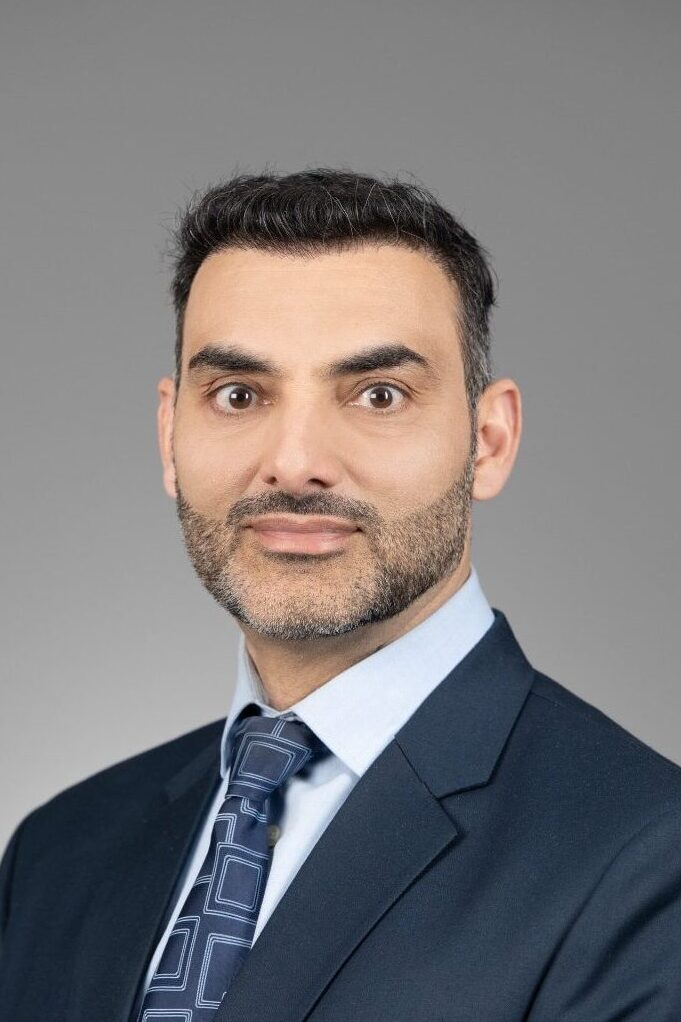
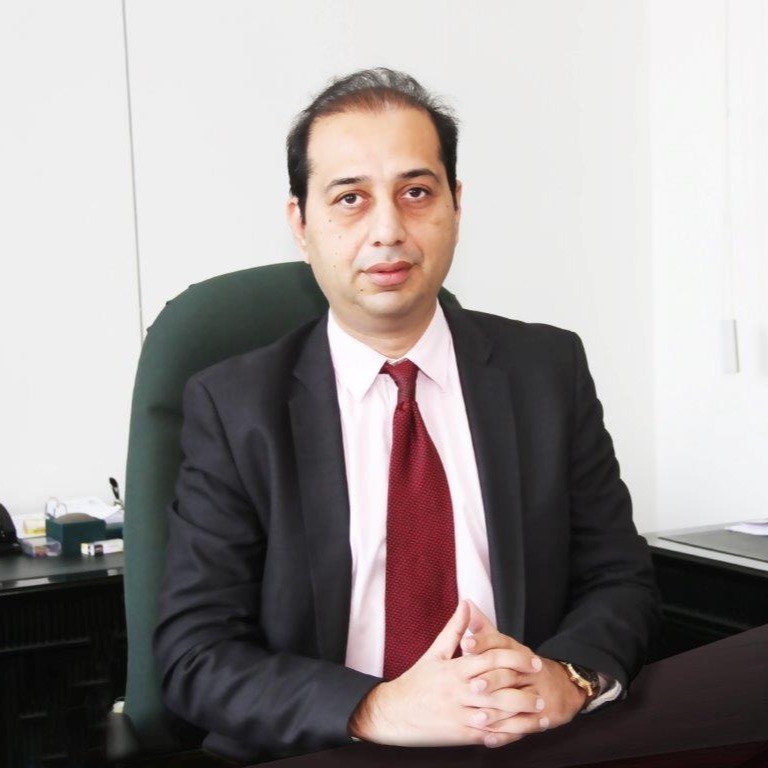
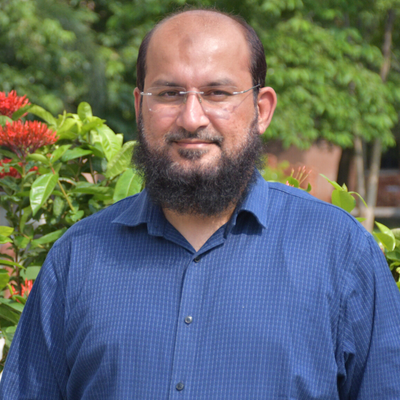
Syed Adeel Abbas brings over two decades of experience in climate change adaptation, resilience, and green growth to his role at the World Bank. He has led the development of the Middle East and North Africa Climate Change Roadmap and supported more than twenty policy and lending operations across the region. With a background spanning energy, urban development, and environment, he works at the intersection of climate strategy and practical finance, helping governments build projects that can attract the scale of funding real resilience requires.
Read More
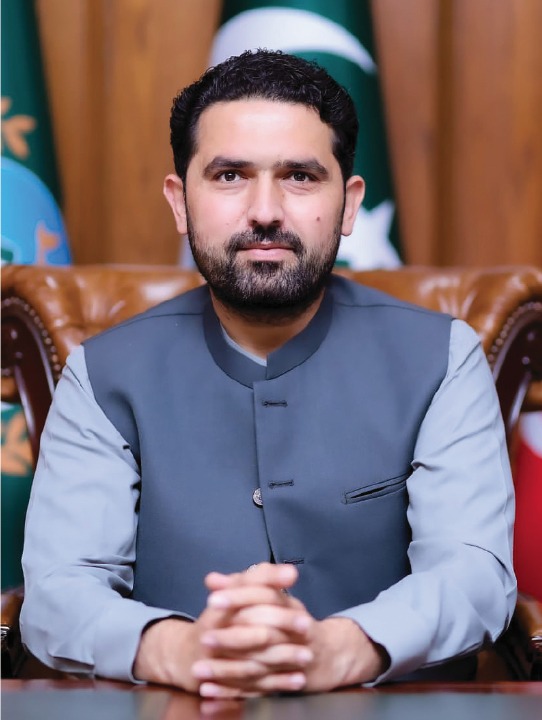
Sohail Afridi serves as the 19th Chief Minister of Khyber Pakhtunkhwa, making history as the youngest provincial chief minister in Pakistan and the first from the tribal areas. A grassroots politician who rose through student activism at the University of Peshawar, he has championed education reform, regional stability, and energy development, including expanding clean hydropower infrastructure across the province.
Read More
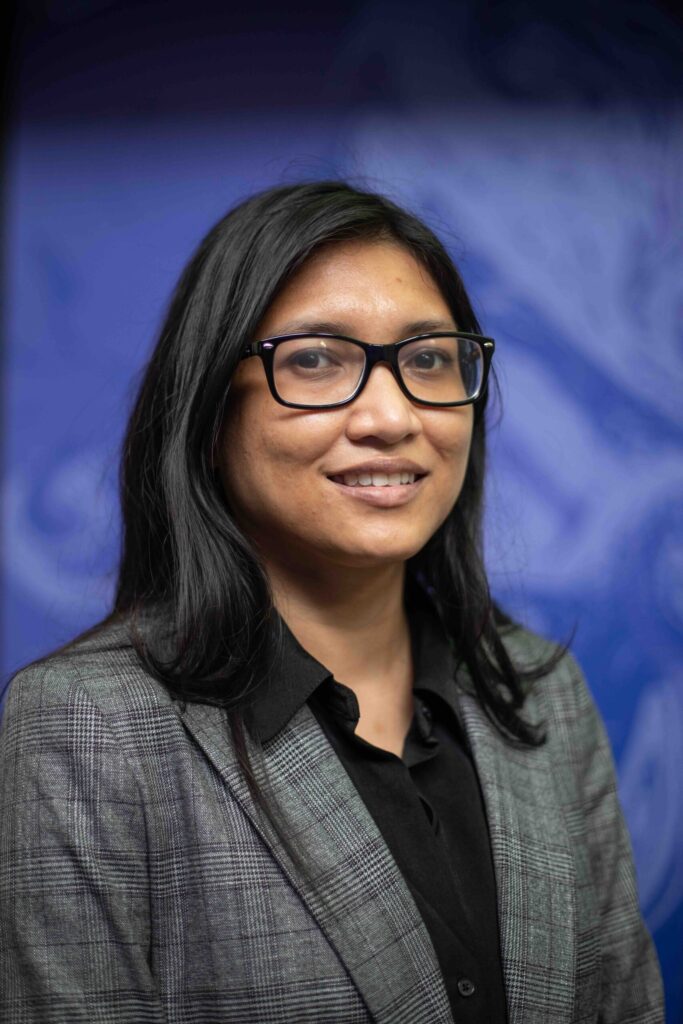
Sara Jane Ahmed is one of the world’s most influential voices in climate finance for vulnerable nations. As Managing Director and Finance Advisor to the V20 group of Finance Ministers representing 74 climate vulnerable countries, she developed the Climate Prosperity Plan framework to help nations move beyond aid dependency and into investment-led climate resilience. Founder of the Financial Futures Center and a recipient of the Climate Breakthrough Award, she has spent her career proving that green development is both an environmental necessity and an economic opportunity for the Global South.
Read More
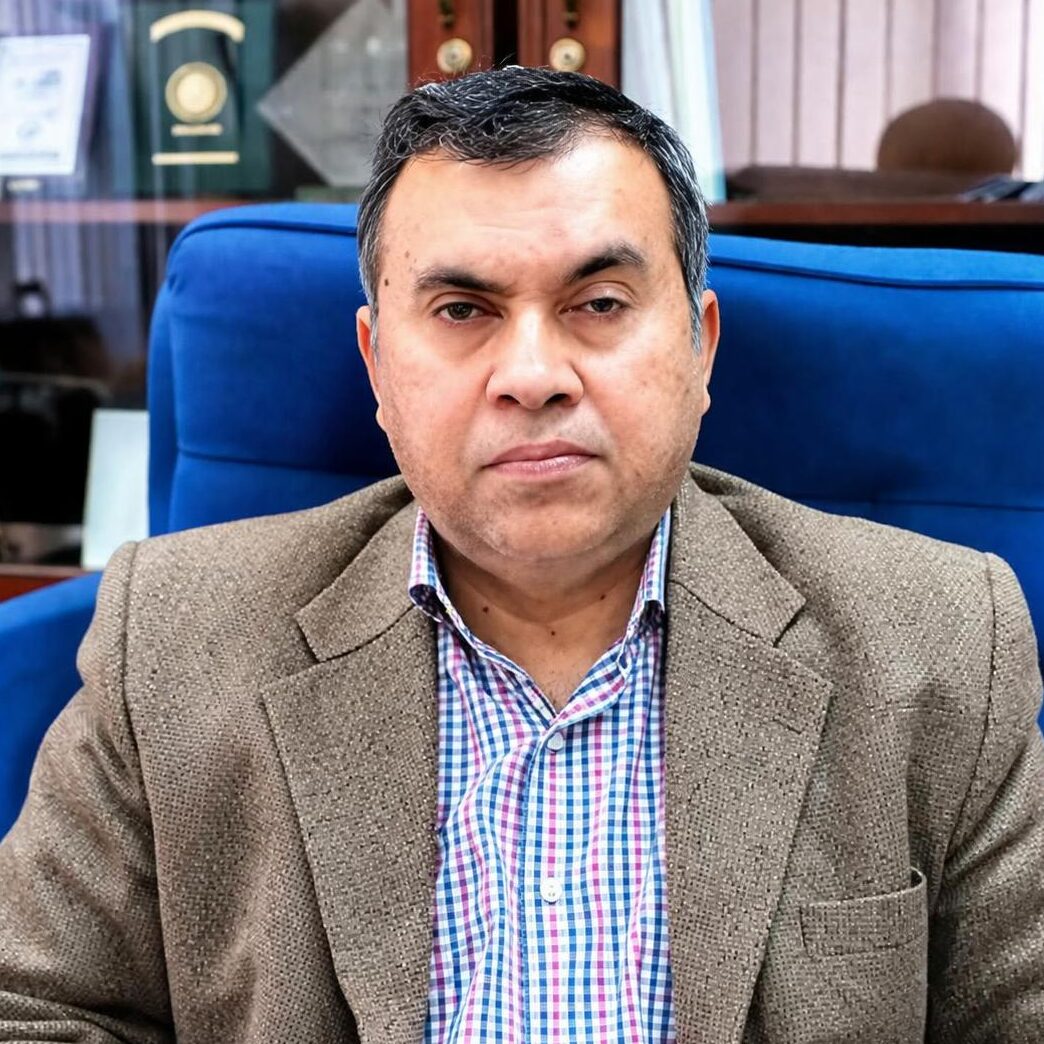
Usman Zaheer Ahmed chairs Pakistan’s dairy industry association at a time when the livestock sector which supports tens of millions of rural livelihoods and makes Pakistan one of the world’s largest milk producers is absorbing climate pressure from multiple directions at once. Heat stress on cattle reduces yields and increases mortality. Flooding destroys the fodder crops that keep animals alive through the off-season. Shifting rainfall patterns make planning a season ahead increasingly unreliable for smallholder dairy farmers, who have neither the savings nor the insurance to absorb repeated losses. The dairy sector’s exposure to climate risk rarely gets the same...
Read More
Dr. Noman Ahmed is one of Pakistan’s most respected voices on urban planning, housing, and the design of cities that can withstand the pressures of both rapid growth and climate change. As Pro Vice Chancellor at NED University of Engineering and Technology, he brings decades of academic and applied research to questions of how Pakistani cities are built, governed, and sustained. He has participated in major national conversations on urban resilience, contributing to UN-Habitat’s World Habitat Day deliberations on climate-smart urban planning and providing expert input on solid waste management, coastal ecosystems, and infrastructure design. His research and teaching engage...
Read More
Romina Khurshid Alam is Pakistan’s point person on climate action at the executive level, having assumed the role of Coordinator to the Prime Minister on Climate Change in April 2024. As founding chairperson of the Parliamentary Caucus on Climate Change and former convener of the National Secretariat on SDGs, she has worked to mainstream environmental resilience across Pakistan’s legislative and economic frameworks. She advocates urgently for ESG integration, green finance taxonomy, and Paris Agreement-aligned NDCs as non-negotiable pillars of Pakistan’s sustainable future.
Read More
Shauzab Ali works at the Asian Development Bank’s Pakistan office, where the institution’s climate agenda and the country’s development needs converge most sharply. The ADB has committed over $43 billion to Pakistan since it began operations there, and climate action runs through a growing share of that portfolio from post-flood reconstruction and renewable energy to water infrastructure and food system resilience. As a Principal Project Officer, Shauzab Ali sits at the operational heart of this work, where the challenge is not just designing the right projects but getting them funded, approved, and delivering on the ground in a country that...
Read More
Dr. Naveed Arshad directs the LUMS Energy Institute, one of Pakistan’s leading research centres on energy systems, policy, and transition. LUMS has been a key convener of national and regional conversations on clean energy, hosting the Asia Energy Transition Summit and providing an academic platform where government, industry, and civil society can engage with the research needed to guide Pakistan’s power sector transformation. The Energy Institute’s work spans technical modelling of power systems, policy analysis on renewable energy regulation, and engagement with the financial and governance dimensions of decarbonising Pakistan’s electricity grid. Dr. Arshad’s leadership of this institution places him...
Read More
Mirey Atallah leads UNEP’s Adaptation and Resilience Branch, overseeing the agency’s work on ecosystem based adaptation, national adaptation planning, and loss and damage. With over two decades of experience spanning the Arab States and more than twenty countries in Sub-Saharan Africa, she has seen first hand what climate change does to rural communities when adaptation funding fails to keep up with worsening conditions. Her work focuses on making the case that the best climate defences are not just physical infrastructure but integrated, nature based, and locally owned, and she is actively pushing to mobilise both public and private finance to...
Read More
A seasoned PML-N politician and Senior Provincial Minister, Maryam Aurangzeb has transformed from an nformation minister into one of Punjab’s most prominent climate advocates. Overseeing the province’s environment and climate change portfolio, she has driven an ambitious shift in how Punjab confronts its deepening ecological crisis. Under her stewardship, Punjab allocated dedicated funds for smog mitigation at a scale previously unseen at the provincial level, while pushing the Annual Development Programme for the Environmental Protection Agency to completion ahead of schedule for the first time in history. She has championed a move away from crisis-driven responses toward structured, long-term environmental...
Read More