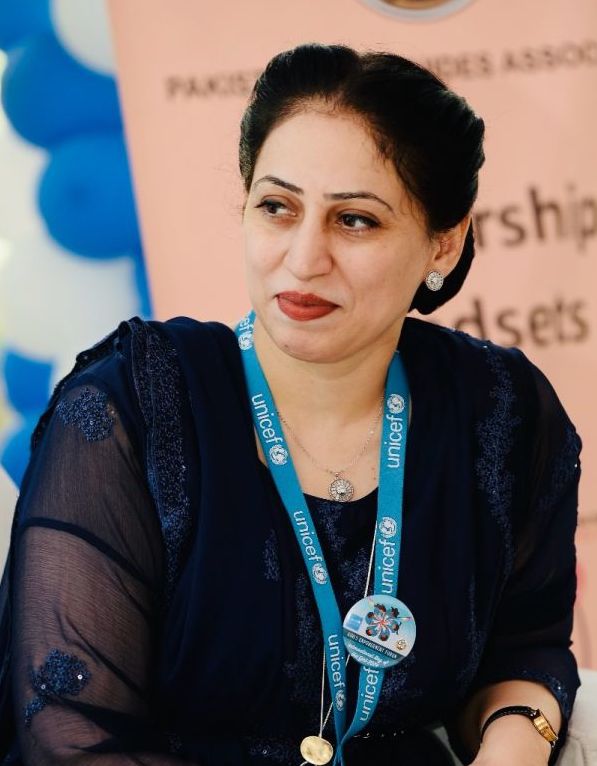
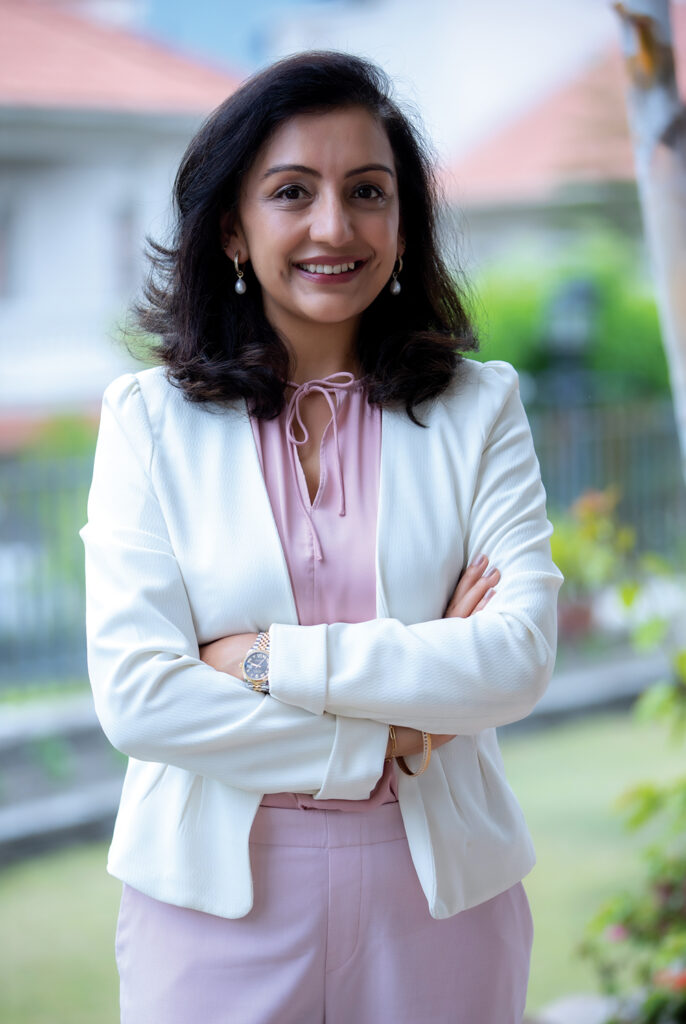
Fahmida Khan brings over two decades of experience in gender and development to a country where women and girls absorb a disproportionate share of every climate shock. In Pakistan, ranked among the ten most climate affected countries in the world, women in flood hit communities are typically the last to be evacuated, the first to lose livelihoods, and the least likely to have a seat at the table when recovery is being planned. Khan’s work at UN Women has been to change that, connecting gender equality directly to climate resilience and making the case that one cannot be achieved without...
Read More
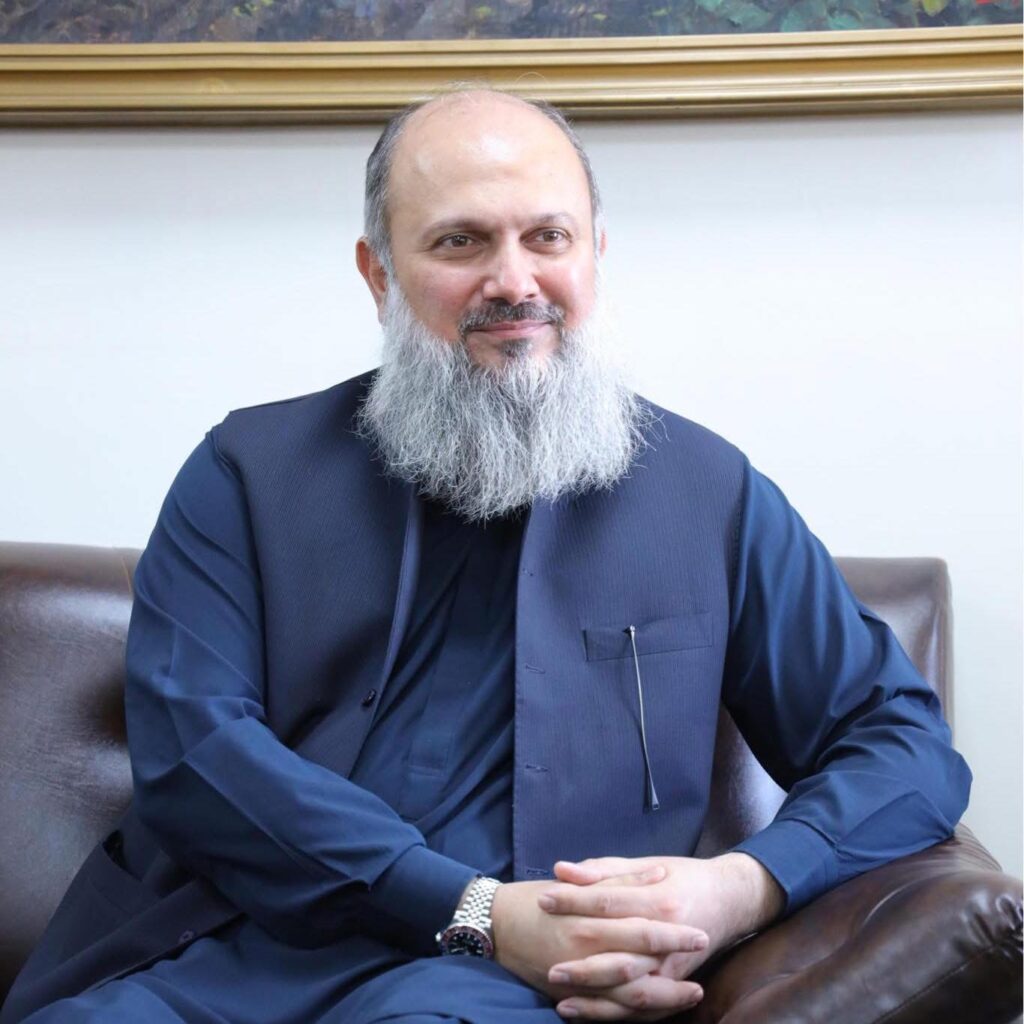
Jam Kamal Khan brings the trade and commerce perspective to Pakistan’s climate conversation, a dimension that is increasingly impossible to separate from environmental policy. As Federal Minister for Commerce, he oversees a portfolio that sits at the intersection of international competitiveness and the global green economy. Pakistan’s exports, particularly in textiles, agriculture, and manufacturing, face growing pressure from trading partners and international markets around carbon intensity, environmental standards, and supply chain sustainability. The European Union’s Carbon Border Adjustment Mechanism and similar instruments are beginning to reshape the economics of trade in ways that make climate performance a matter of commercial...
Read More
Najeeb Ullah Khan is the Deputy Director at Network Operations & Maintenance Center Department NOMC . He looks after the network operations, network deployment and corporate business support for Zong network nationwide. He has a two-decade experience in telecom industry. He graduated from NED University of Engineering and Technology, Karachi and then did his Masters of Sciences in Telecom from NYIT, USA.
Read More
Ali Farid Khawaja’s career quietly dismantles the idea that climate action and capital markets reform are separate conversations. A Rhodes Scholar and co-founder of KTrade Securities, he was appointed SECP Commissioner in early 2026, bringing to Pakistan’s chief financial regulator a rare combination of entrepreneurial experience and Oxford-trained financial economics. Before joining the SECP, he led Critical Metals PLC, placing him at the centre of one of the energy transition’s defining questions: how the world secures the minerals essential to solar panels, electric vehicles, and battery storage without deepening existing inequalities. At the SECP, the task is now regulatory. Pakistan...
Read More
With over two decades of experience within the United Nations system, Anupa Rimal Lamichhane specializes in climate finance, risk management, and building resilience for vulnerable rural communities. Her work focuses on integrating climate adaptation into agricultural projects, ensuring that small-scale producers can mitigate environmental risks through innovative policy and field-level interventions.
Read More
Sardar Awais Ahmad Khan Leghari has overseen one of the most significant energy transitions in Pakistan’s recent history. As Federal Minister for Power, he has driven Pakistan’s renewable energy agenda with notable ambition, presiding over a period in which the country reached fifty-two percent of its electricity generation from clean and renewable sources and set a target of ninety percent clean energy by 2035. He has anchored Pakistan’s commitment to sixty percent renewable energy in the national power mix by 2030 and has been actively engaged with regional cooperation mechanisms including the ECO Clean Energy Centre. He has promoted microgrids...
Read More
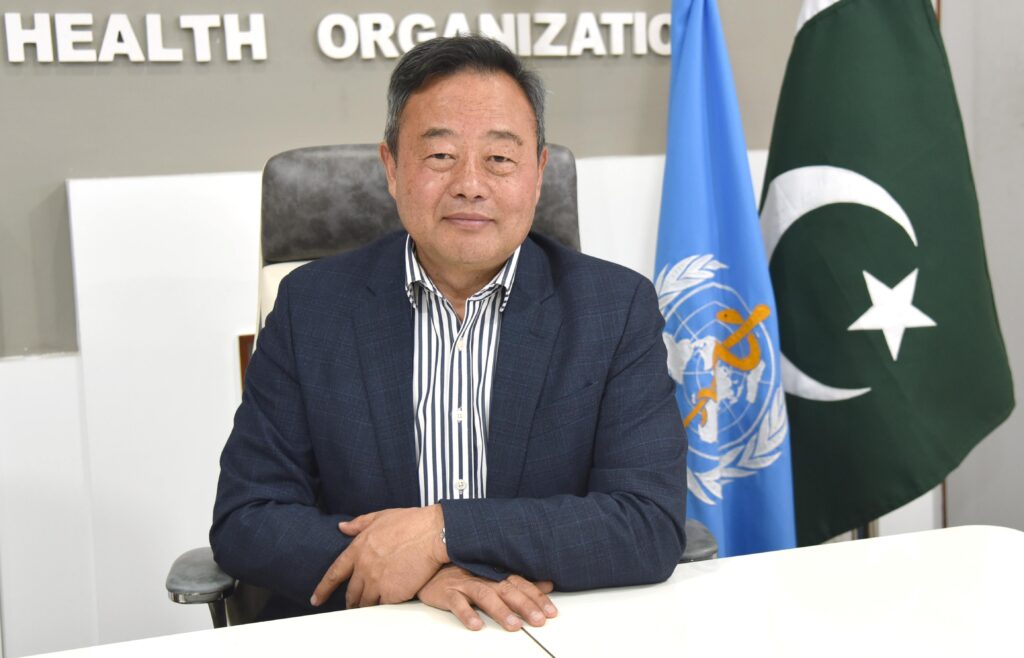
Dr. Dapeng Luo has been consistent in his message since taking charge of WHO’s operations in Pakistan: climate change is not a future health threat, it is a present one. He has watched rising temperatures and repeated flooding drive malaria cases upward across endemic districts, trigger mass cholera outbreaks, and worsen child malnutrition in communities that were already struggling. His response has been to push for health systems that are built for this reality, with medicines prepositioned before monsoons arrive and response teams that move before the damage is done. He has made clear that saving lives in Pakistan today...
Read More
Idrees Mahsud is a senior civil servant of the 26th Common Secretariat Group with more than two decades of experience in public policy, governance, and disaster risk management. He currently serves as a Member (Disaster Risk Reduction) at the National Disaster Management Authority (NDMA), overseeing work on DRR policy, anticipatory action and provincial coordination. He has led national initiatives on disaster risk reduction, multi-hazard risk assessment, disaster risk financing, and climate change adaptation. His work focuses on transforming Pakistan’s disaster management approach from reactive emergency response to proactive risk-informed planning and resilience building. In his career, Mr. Mahsud has led...
Read More
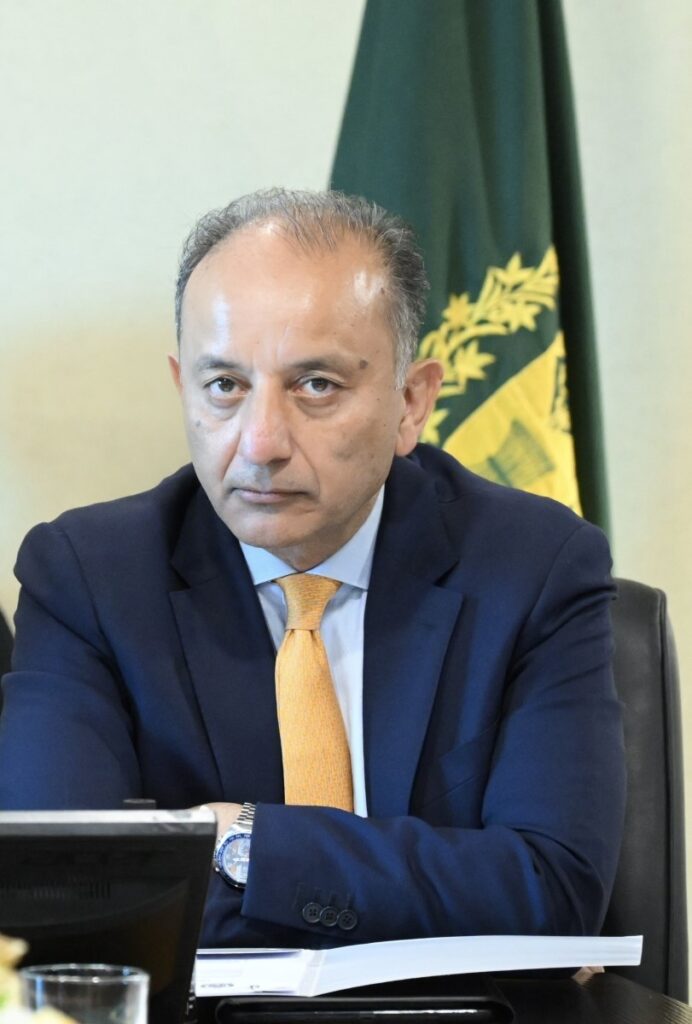
Senator Musadik Masood Malik took charge of Pakistan’s climate portfolio in 2025 with a clear sense of urgency. He has identified air pollution, water access, solid waste management and glacial melt as the country’s most pressing environmental threats, and has been pushing hard for climate resilient development across all sectors. A vocal advocate for climate justice, he has repeatedly called out the gap between global commitments and actual funding delivered to vulnerable nations like Pakistan, which loses nearly one percent of its GDP to climate damage annually despite contributing less than one percent of global emissions.
Read More
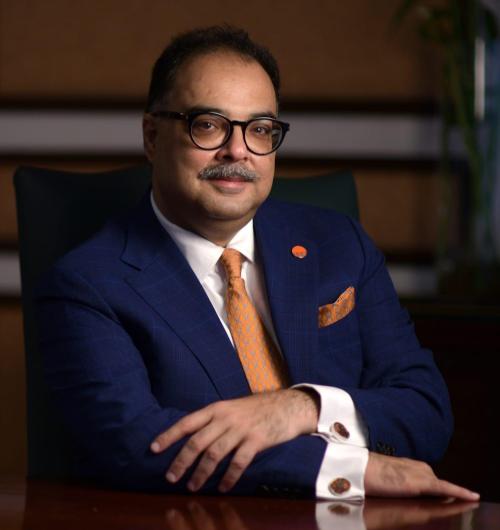
Zafar Masud has led the Bank of Punjab through a transformation that goes beyond balance sheets, embedding green financing and climate-resilient lending into the strategic identity of the country’s second largest public sector bank. As Chairman of the Pakistan Banks Association, he has argued consistently that financial institutions cannot treat climate change as an externality. Agriculture, water resources, and the livelihoods of millions of small borrowers are directly exposed to climate shocks, and a bank that ignores this is not managing risk, it is accumulating it. His support for Pakistan’s Green Taxonomy Framework, electric vehicle financing initiatives, and interest-free agricultural...
Read More