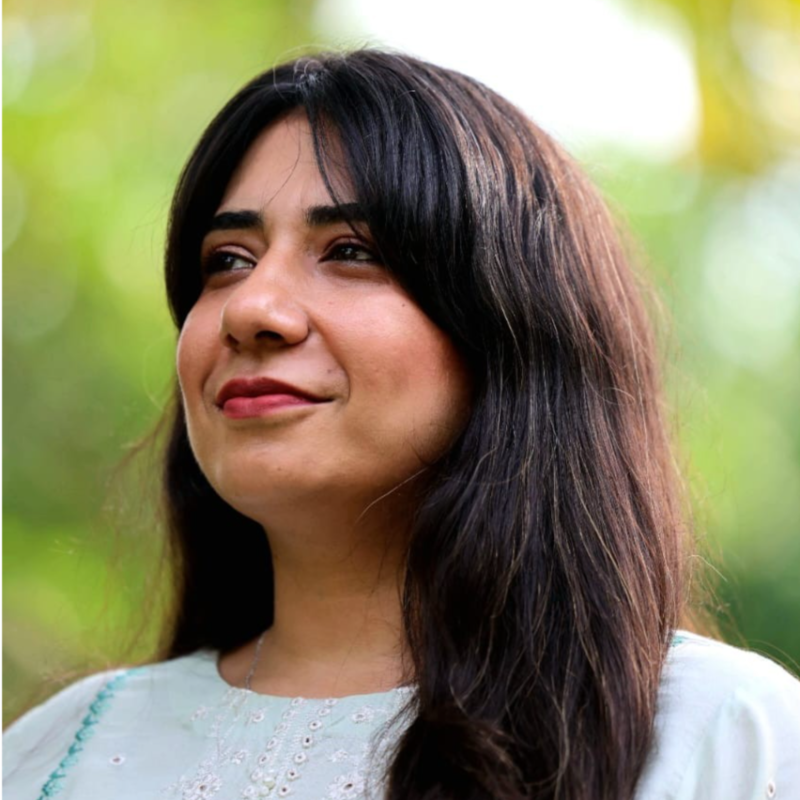
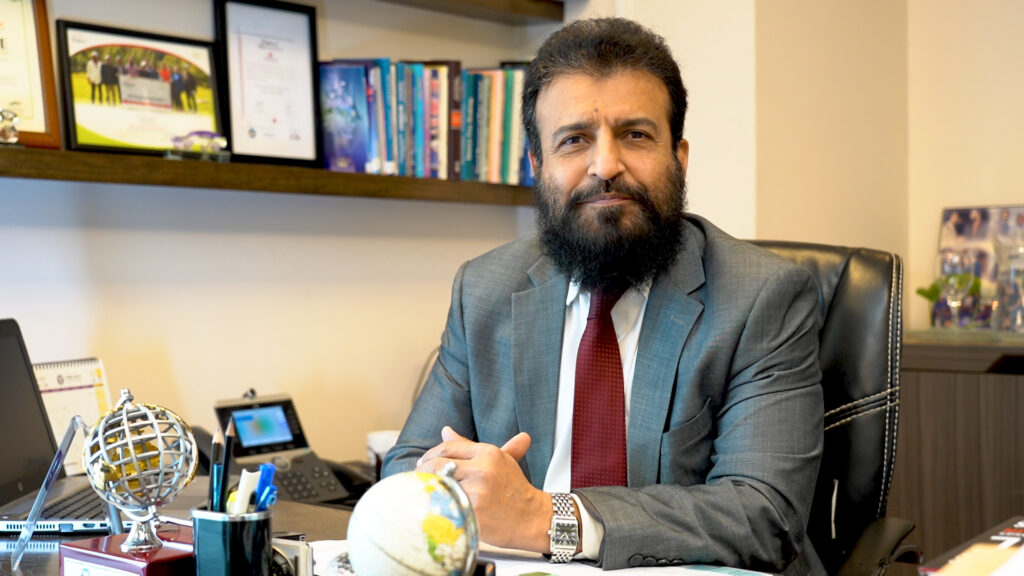
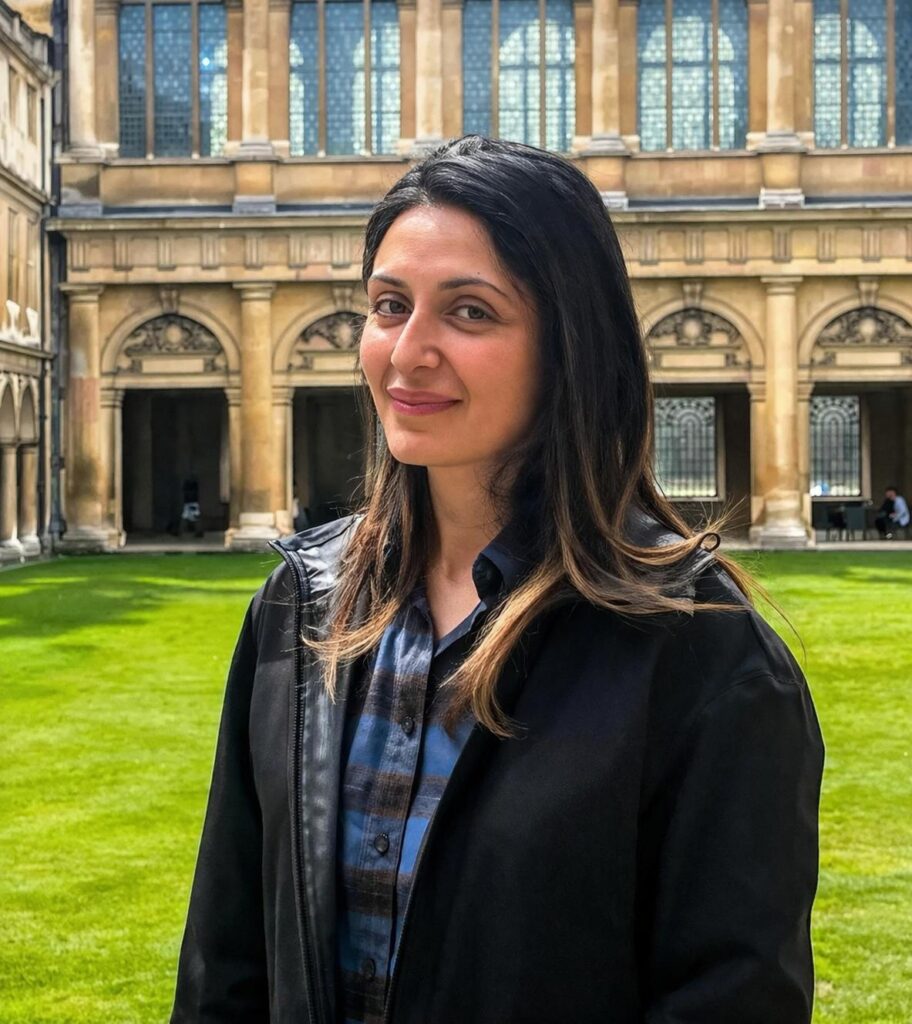
Anam Rathor has made it her mission to ensure Pakistan’s vulnerability is neither overlooked nor understated. As Programme Lead at the CVF-V20, the coalition of 74 of the world’s most climate-exposed nations, she works to translate abstract policy commitments into investment-ready outcomes, pushing for green bonds, carbon market mechanisms, and creditworthy project pipelines as practical bridges between Pakistan’s climate goals and global capital. Her career spans UNDP, GIZ, and DAI, and she now leads Pakistan’s Climate Prosperity Plan, an effort to shift the national climate narrative from burden to leverage. From Islamabad’s streets to COP negotiating floors, her argument remains...
Read More
Furrukh Raza represents the private sector’s growing recognition that the shift to clean transportation is both a business opportunity and a climate imperative. At Capital Smart Motors, he leads marketing, communications, and people functions for a company operating in Pakistan’s emerging electric vehicle sector. The transportation sector is a significant contributor to urban air pollution in Pakistan’s cities, and the transition to electric vehicles carries the potential to reduce both emissions and the health costs of pollution that affect millions of urban residents. His presence at this conference reflects the importance of private sector communication and consumer behaviour change in...
Read More
Muhammad Raza leads General Services and Customer Support at Meezan Bank, Pakistan’s largest Islamic bank, an institution with significant reach across the economy and a growing interest in green and sustainable finance. Islamic finance principles, with their emphasis on asset-backed transactions, shared risk, and ethical investment, offer a natural alignment with the principles of sustainable finance, and Meezan Bank is among the institutions exploring how Islamic finance instruments can be structured to fund climate adaptation and clean energy projects. His role in shaping how a large financial institution manages its operations, serves its customers, and builds institutional systems is directly...
Read More
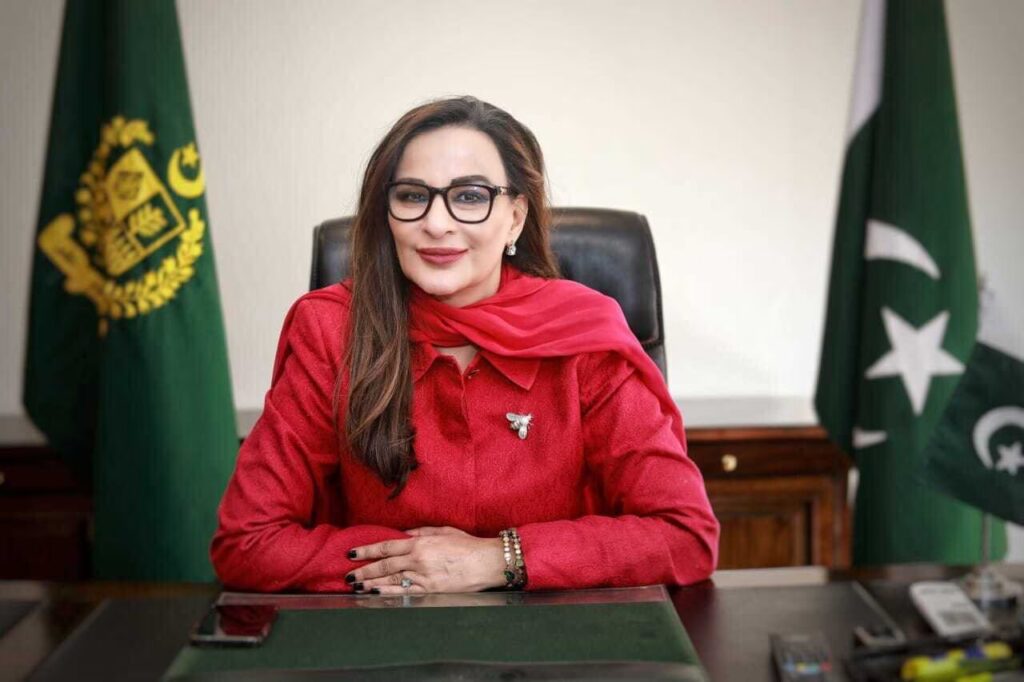
Senator Sherry Rehman is one of Pakistan’s most prominent climate advocates, serving as Chair of the Climate and Environment Caucus in the Senate, a body she founded to bring legislative weight to the country’s environmental challenges. A former Federal Minister for Climate Change, she has spent years pushing hard on issues ranging from smog and water scarcity to glacial melt and flood resilience. Named among TIME’s 100 Most Influential People of 2023 and the Financial Times’ 25 Most Influential Women of 2022, she carries Pakistan’s climate story to global audiences with a directness that few can match.
Read More
Nadia Rehman serves on the Board of Trustees of the Climate Risk Fund at the State Bank of Pakistan, placing her at the centre of one of the most important questions in Pakistan’s climate response: how to build a financial system that accounts for, prices, and manages climate risk at scale. Central bank engagement with climate change has emerged as one of the most consequential developments in global finance over the past decade, and the State Bank’s Climate Risk Fund represents Pakistan’s effort to embed climate considerations into its monetary and regulatory framework. Her work involves ensuring that the resources...
Read More
Shehzad Roy is one of Pakistan’s most prominent cultural figures and a committed social entrepreneur whose work through Zindagi Trust has transformed education for thousands of underserved children. Through a model of adopting and reforming government schools, Zindagi Trust has demonstrated that public education infrastructure can be made to work even in contexts of resource scarcity and institutional weakness. His connection to the climate agenda runs through the recognition that the children most vulnerable to climate change are precisely those whose education, health, and futures Zindagi Trust works to protect. Extreme heat is already disrupting school attendance in Pakistan, and...
Read More
Kazim Saeed spent 25 years advising developing country governments on energy policy for the World Bank before turning his attention to Pakistan’s agricultural sector, where he co-founded the Pakistan Agricultural Coalition, a non-profit backed by 20 of the country’s largest business groups. He brought to agriculture the same instinct he brought to energy: that the private sector, given the right models and incentives, can move faster and at a greater scale than aid programmes alone. His writing and advocacy have been consistent on one point that Pakistan’s farmers are not the problem. They are the country’s most climate-literate citizens, the...
Read More
Saleemullah serves as Deputy Governor of the State Bank of Pakistan, where he oversees digital financial services, financial inclusion, and green banking. He has been a leading voice in developing Pakistan’s national green taxonomy, an initiative that will make Pakistan only the third country in South Asia to classify and regulate sustainable economic activities. His work focuses on giving regulators, banks, and investors a shared language to make informed decisions on funding green projects and scaling climate resilient finance across the economy
Read More
Dr. Erum Sattar holds a Doctorate in Juridical Sciences from Harvard University, where her research focused on water federalism and transboundary water sharing in the Indus River Basin. She leads the Sustainable Water Management Programme at Tufts University and has taught water law and policy across some of the world’s top institutions. Her current work sits at the intersection of climate change and water governance, examining the legal and institutional frameworks societies need to build as floods, droughts, and shifting rainfall patterns grow more severe. For Pakistan, she remains one of the most authoritative voices on what good water law...
Read More
Dr. Zeba Sathar has spent over three decades building the evidence base that Pakistan’s policymakers need but have often been reluctant to act on. Her research has traced the links between rapid population growth, poverty, and climate vulnerability, showing how disasters like the 2022 floods do not strike randomly but fall hardest on communities already living closest to the edge. She has led work on how climate shocks reshape migration patterns, livelihoods, and health behaviour at the district level, and has argued that food security, climate policy, and population planning must be addressed as a single connected challenge rather than...
Read More